The Challenge
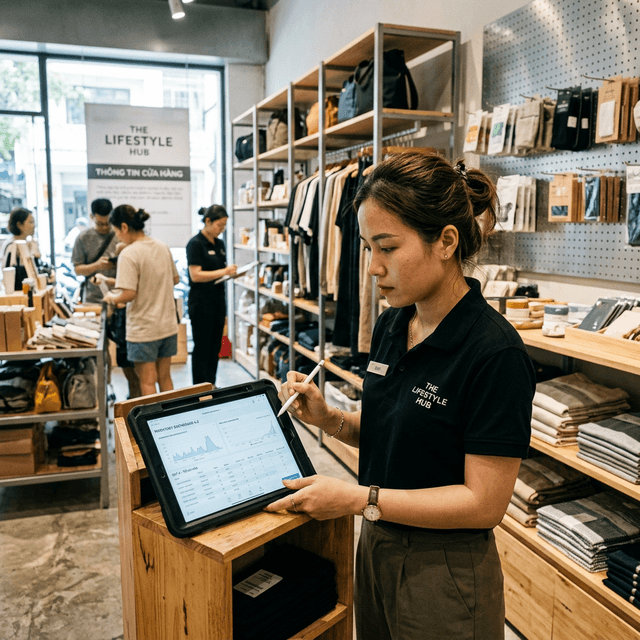
GreenLeaf Home & Garden grew from 4 stores to 12 in three years. Their success in expanding was matched by a growing operational nightmare.
Inventory Chaos
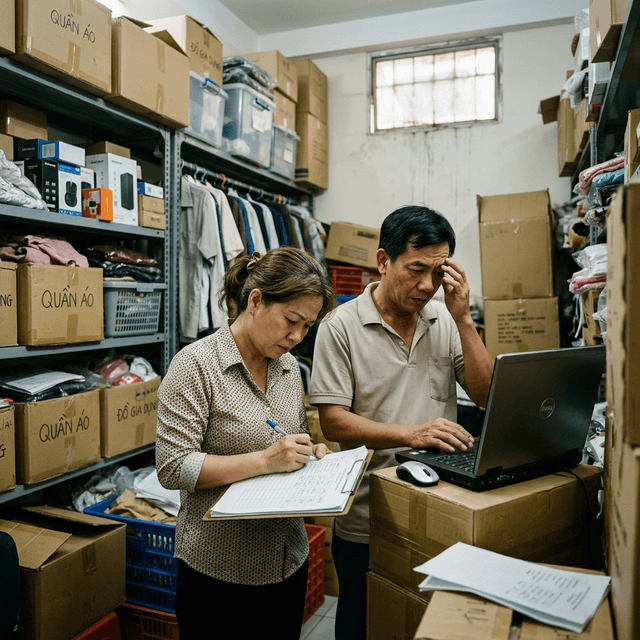
Each store manager tracked stock using their own system – some with spreadsheets, others with handwritten logs, and one still using paper clipboards. The POS system recorded sales, but nobody had real-time visibility across locations.
The consequences were severe:
- $180,000/year in dead inventory – Slow-moving items sat on shelves for months while popular products sold out within days
- $300,000/year in lost sales – Stockouts on best-sellers meant customers walked out empty-handed
- 14% online order cancellation rate – E-commerce inventory synced only once daily, leading to orders for out-of-stock items
- 5-7 day reorder cycle – Purchasing was manual: store managers called the warehouse, which compiled orders every Tuesday
Zero Customer Intelligence
Despite serving thousands of loyal customers across 12 locations and an online store, GreenLeaf knew almost nothing about them:
- No cross-channel purchase tracking
- No customer segmentation or targeting
- Marketing emails were based on the owner's personal preferences
- No loyalty program, no retention strategy
Enterprise Solutions Were Out of Reach
They evaluated leading enterprise ERP solutions. Quotes: $150,000–$250,000 implementation plus $3,000–$5,000/month licensing. For an $8M-revenue retailer, the numbers didn't work.
The Solution
FastDX took a different approach – using AI-assisted vibe coding to build exactly what GreenLeaf needed in a fraction of the time and cost.
Week 1: Data Unification
AI analyzed 3 years of POS data exports, e-commerce transaction logs, and supplier spreadsheets from all 12 stores. The AI automatically:
- Mapped product SKUs across inconsistent naming conventions (the same product often had different names at different stores)
- Built a unified data model connecting all locations
- Created a real-time sync pipeline between POS systems, e-commerce, and the central database
Week 2: Inventory Intelligence
- Real-time dashboard showing stock levels across all 12 stores, warehouse, and e-commerce
- AI demand forecasting trained on historical sales, weather patterns, and local events
- Automated reorder points that generate purchase orders when stock hits calculated thresholds
- Smart allocation that recommends stock transfers between locations based on demand patterns
Week 3: Customer Analytics Platform
- Unified customer profiles merging in-store POS data with online purchases
- AI-generated segments – frequent buyers, seasonal shoppers, lapsed customers, high-value accounts
- Automated campaigns – targeted emails based on purchase history and predicted interests
- Product affinity engine – "Customers who bought this garden set also purchased these planters"

Before vs. After
| Metric | Before | After (3 Months) | | ------------------------ | --------------- | ------------------ | | Dead inventory | $180,000/year | $54,000/year | | Lost sales (stockouts) | $300,000/year | $75,000/year | | Online cancellation rate | 14% | 1.8% | | Reorder cycle | 5–7 days manual | Same-day automated | | Inventory accuracy | ~72% | 97.3% | | Email marketing revenue | $4,200/month | $18,600/month | | Customer repeat rate | 23% | 41% |
The Results
Within the first quarter:
- $126,000 saved in dead inventory reduction alone
- $225,000 recovered in previously lost sales from stockouts
- 4.4x email marketing revenue from AI-targeted campaigns vs. generic blasts
- Zero online order cancellations due to inventory sync issues
- Store managers saved 8+ hours/week previously spent on manual stock counts and reorder calls

Why Vibe Coding Made This Possible
Traditional software development would have required 4–6 months, a team of 3–5 developers, and $150K+ in budget. The vibe coding approach changed the economics entirely:
- AI understood the messy data – Instead of weeks of manual data mapping, AI analyzed inconsistent spreadsheets and auto-generated the unification logic
- Rapid prototyping – Working prototypes were tested by store managers within days, not months
- Domain expertise encoded fast – The owner's 15 years of retail knowledge was captured through conversation and translated directly into business rules
- Iteration speed – When the demand forecasting model needed tuning for seasonal patterns, adjustments were made in hours, not sprints
Client Feedback
"I spent three years thinking I needed a $200K enterprise system. FastDX built something better for a fraction of that – and it actually fits how we work. The AI forecasting alone paid for the whole project in the first month."
– Owner & Founder

Key Takeaway
Small and mid-size retailers don't need enterprise software budgets to get enterprise-level inventory intelligence. AI-powered vibe coding can build custom platforms that fit your exact business – faster, cheaper, and with features that off-the-shelf solutions simply can't match. GreenLeaf's $35,000 investment generated over $380,000 in first-year value.